
Toxicological Screening & Testing
Independent, validated substance and medication testing — providing objective clinical and legal evidence of adherence, safety and risk.
Toxicological screening in the ABI patient population serves multiple distinct and clinically important purposes. It can provide objective, laboratory-verified evidence of prescribed medication adherence — critical for case managers and deputies managing complex pharmacological regimens. It can identify the presence of illicit substances or non-prescribed medications that may be actively impacting neurological recovery, amplifying behavioural instability or creating dangerous drug interactions. And it can support safeguarding investigations, Court of Protection proceedings, and structured harm-reduction programmes with defensible, reproducible evidence.
All screening at Nexus ABI uses validated, UKAS-accredited laboratory analysis. Full chain-of-custody documentation is available for all legally instructed testing.
The resulting report is detailed, evidence-based, and written to the standard required by the Court of Protection, case managers, solicitors, and rehabilitation teams.
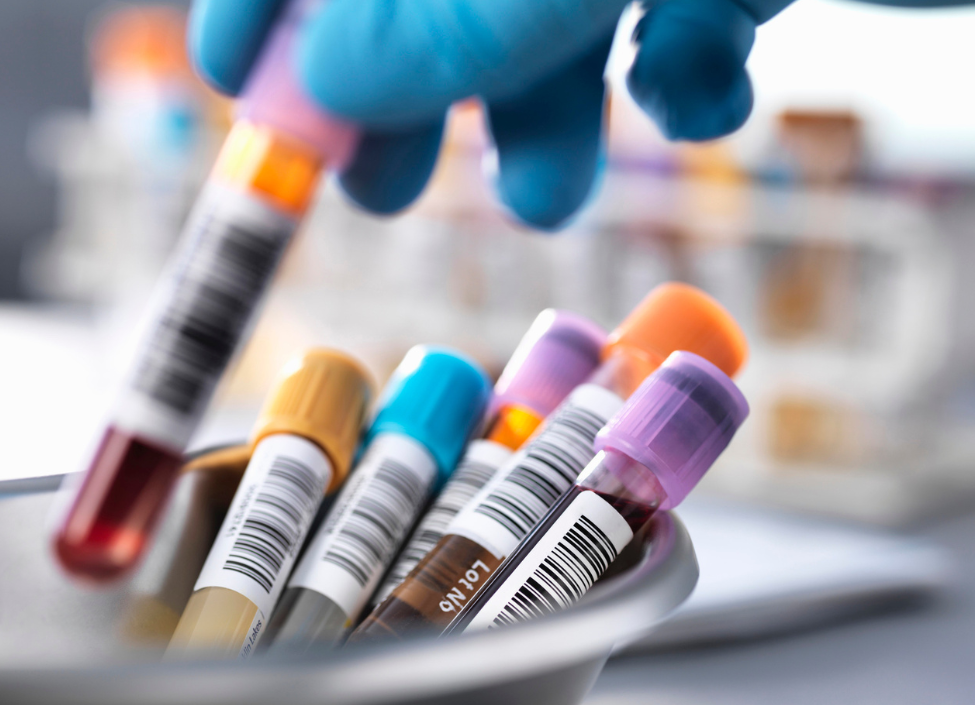
Sample types and detection windows
- Urine drug screen (UDS) — point-of-care immunoassay: results within 5–10 minutes at visit; detection window typically 2–7 days depending on substance and use pattern
- Urine drug screen — laboratory-confirmed (GC-MS): definitive analysis, detects adulterants; 3–5 working days
- Oral fluid (saliva) testing: detection window 12–48 hours — useful for recent/current use assessment; 3–5 working days
- Blood toxicology: acute ingestion, prescribed drug levels, alcohol; immediate clinical value
- Hair strand testing (HST): historical use over 3, 6 or 12 months; 10–14 working days; highest evidential value for legal proceedings
- Nail clipping: alternative to hair where hair is unavailable; similar timeline to HST
Substances and agents screened
- Cannabis — THC, THCA, CBD metabolites
- Cocaine and metabolites — benzoylecgonine, cocaethylene (if co-ingested with alcohol)
- Opiates (natural) — morphine, codeine, 6-MAM (heroin marker)
- Synthetic opioids — fentanyl, tramadol, buprenorphine, methadone
- Benzodiazepines — diazepam, lorazepam, clonazepam, temazepam, oxazepam, nitrazepam
- Gabapentinoids — pregabalin, gabapentin (Class C controlled drug — clinically significant)
- Z-drugs — zopiclone, zolpidem
- Amphetamines — amphetamine, methamphetamine, MDMA, MDA
- Ketamine and novel psychoactive substances (NPS) — extended panel available
- Alcohol biomarkers — CDT (chronic heavy use), EtG/EtS (recent use, detectable in urine 80+ hours; hair for historical)
- Prescribed medication adherence panels — anticonvulsants, antipsychotics, antidepressants, mood stabilisers at therapeutic levels
Legal & safeguarding purposes
- Court of Protection welfare proceedings
- Deputy-initiated safeguarding review
- Adult Safeguarding Board investigations and reports
- Personal injury litigation — baseline and longitudinal monitoring
- Parole, probation and criminal justice requirements
- DOLS (Deprivation of Liberty Safeguards) review support
- Chain-of-custody protocol applied to all legally instructed tests — documentation provided
Clinical purposes
- Medication adherence monitoring in complex polypharmacy
- Unexplained deterioration in neurological, cognitive or behavioural status
- Seizure breakthrough investigation — sub-therapeutic anticonvulsant levels
- Harm-reduction programmes including cannabis-based medicine monitoring
- Pre-treatment baseline for new medication initiations — ensures no contraindicated substances
- Substance misuse comorbidity assessment and treatment planning
- Support for structured harm-reduction models in forensic-risk ABI patients
Reporting & documentation
- Laboratory certificate of analysis produced for all confirmed tests
- Medico-legal report written by Nexus ABI clinician where required for legal proceedings
- Witnessed and unwitnessed collection options — documentation confirms which protocol was followed
- Positive screen results reviewed by clinician before communication — clinical context applied
- Confirmatory (GC-MS or LC-MS/MS) analysis recommended before any legal or disciplinary action
- Chain-of-custody seal documentation available in PDF and hard copy

URINE DRUG SCREEN — POINT OF CARE (IN-HOME)
From £TBC
Frequently Asked Questions
Our FAQ section is here to answer the most common questions about this service and help you feel fully informed before getting started. If you don’t see the answer you’re looking for, please don’t hesitate to get in touch—our team is always happy to help and provide clarity where needed.
Why is toxicological screening used for patients with Acquired Brain Injury?
Toxicological screening serves several distinct and important purposes in ABI care. It provides objective, laboratory-verified confirmation of prescribed medication adherence — essential for managing complex regimens involving controlled drugs. It can identify illicit substances or non-prescribed medications that may be amplifying behavioural instability, creating dangerous drug interactions, or undermining neurological recovery. And it supports safeguarding investigations, Court of Protection welfare proceedings and personal injury litigation with reproducible, defensible evidence that cannot be provided by clinical observation alone.
What types of samples are collected for toxicological testing?
We collect urine (both point-of-care immunoassay and laboratory-confirmed GC-MS analysis), oral fluid (saliva), blood, and hair strand samples depending on the clinical or legal purpose of the testing. Urine testing detects recent use over 2–7 days for most substances. Oral fluid detects very recent use within 12–48 hours. Blood testing is used for acute ingestion and therapeutic drug levels. Hair strand testing provides a historical record of substance use over 3, 6 or 12 months and carries the highest evidential value for legal proceedings.
What is the difference between a point-of-care urine screen and a laboratory-confirmed test?
point-of-care urine drug screen (UDS) is an immunoassay test conducted on-site at the visit, providing a preliminary result in 5–10 minutes. It is useful for rapid clinical decision-making but is a screening test only — it produces both false positives (substances that cross-react with the antibodies used in the test) and, less commonly, false negatives. A laboratory-confirmed test uses gas chromatography-mass spectrometry (GC-MS) or liquid chromatography-mass spectrometry (LC-MS/MS) — the gold standard analytical method — which identifies and quantifies specific substances with a very high degree of accuracy. For any result that will be used in legal proceedings or to make significant clinical or welfare decisions, laboratory confirmation is essential.
What is hair strand testing and how far back can it detect substance use?
Hair strand testing (HST) analyses sections of hair to detect drug metabolites that become incorporated into the hair shaft as it grows. Hair grows approximately 1cm per month, so a 3cm section of head hair provides a 3-month historical record; a 6cm section covers approximately 6 months. Testing can be extended to 12 months where hair length permits, or can be conducted from body hair where head hair is unavailable. HST is the preferred method for legal proceedings where a historical pattern of use is required, as it cannot be adulterated or manipulated in the way that urine can.
Can toxicological screening confirm whether a patient is taking their prescribed medications?
Yes. Medication adherence verification is one of the most common clinical applications of toxicological screening in the ABI population. We can test for the presence of anticonvulsants (at therapeutic or sub-therapeutic levels), antipsychotics, antidepressants, mood stabilisers, opioid analgesics and other key medications. Sub-therapeutic levels may indicate non-adherence, rapid metabolism, under-prescribing, or malabsorption — each of which has different clinical implications that our clinician will interpret in the clinical context. Absence of a medication with confirmed prescription is strong evidence of non-adherence.
What chain-of-custody documentation is provided for legal testing?
For all legally instructed tests, we use a full chain-of-custody protocol. This includes: witnessed or observed sample collection (documented with time, date and witness name), sample sealing with tamper-evident containers in the presence of the collection witness, a chain-of-custody form that accompanies the sample from collection to laboratory receipt, laboratory certificate of analysis with the analyst’s name and UKAS accreditation details, and a medico-legal report produced by a Nexus ABI clinician interpreting the findings in clinical context. Documentation is available in PDF and hard copy
Can testing be conducted without the patient's knowledge or consent?
No. Testing cannot be conducted covertly or without appropriate consent. Where a patient has capacity to consent, informed consent must be obtained before any sample collection. Where a patient lacks capacity, a Best Interests decision under the Mental Capacity Act 2005 must be made and documented before testing proceeds — this requires consultation with the case manager, family and any appointed deputy. We do not conduct covert testing under any circumstances. All consent or Best Interests documentation is retained in the clinical record.
What happens if a positive result is found for an illicit substance?
A positive result for an illicit substance is reviewed by a Nexus ABI clinician before communication to ensure clinical context is applied — for example, some prescribed medications (codeine, certain antidepressants) can produce a positive result on an immunoassay screen for controlled substances. Where a positive result is confirmed analytically, the clinician will produce a written report documenting the finding, its potential clinical significance for the patient’s ABI recovery, and recommended clinical actions. The report is communicated to the referring case manager and, where appropriate, the financial deputy or supervising legal team.
Can Nexus ABI conduct testing for alcohol use?
Yes. We can test for alcohol use using several biomarkers depending on the timeframe and purpose. Urine ethyl glucuronide (EtG) and ethyl sulphate (EtS) detect recent alcohol use within approximately 80 hours. Carbohydrate-deficient transferrin (CDT) in serum indicates chronic heavy alcohol use over the preceding 2–4 weeks. Hair strand testing for EtG provides a historical record of heavy alcohol use over months. Blood alcohol concentration is used for acute intoxication assessment. These tests are used clinically to monitor harm-reduction programmes and legally to provide objective evidence in deputyship, safeguarding and personal injury proceedings.
How quickly are results available?
Point-of-care urine immunoassay results are available within 5–10 minutes at the visit. Laboratory-confirmed urine and oral fluid results are typically returned within 3–5 working days. Blood toxicology results vary by test but are usually available within 1–3 working days. Hair strand testing takes 10–14 working days. Where urgent results are required — for example, for an imminent court hearing — expedited laboratory processing is available for most test types at an additional cost. We will confirm specific turnaround times at the point of instruction.