Because some patients need more than a generic destination cannabis clinic. Having prescribed cannabis-based medicinal products for several years, I increasingly found myself seeing people with acquired brain injury whose needs went far beyond choosing a product and issuing a prescription.
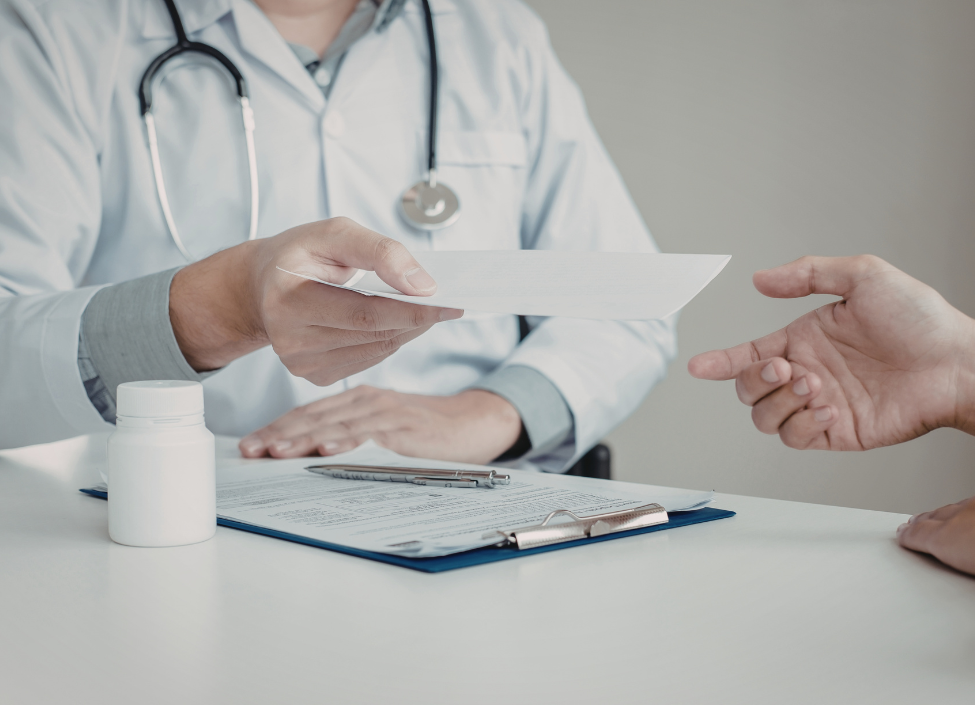
𝗕𝗿𝗮𝗶𝗻 𝗶𝗻𝗷𝘂𝗿𝘆 𝗶𝘀 𝗰𝗼𝗺𝗽𝗹𝗲𝘅.
A person may have cognitive impairment, executive dysfunction, emotional or behavioural change, chronic pain, sleep disturbance, fatigue or spasticity.
They may already be taking multiple medications. There may also be questions around mental capacity, vulnerability, risk, driving or ongoing illicit cannabis use.
And, very often, there is already an extensive rehabilitation team around them.
𝗧𝗵𝗮𝘁 𝗿𝗲𝗾𝘂𝗶𝗿𝗲𝘀 𝗮 𝗱𝗶𝗳𝗳𝗲𝗿𝗲𝗻𝘁 𝗺𝗼𝗱𝗲𝗹 𝗼𝗳 𝗰𝗮𝗿𝗲.
Cann-ABI was created to bring medicinal cannabis 𝗶𝗻𝘁𝗼 𝘁𝗵𝗲 𝗿𝗲𝗵𝗮𝗯𝗶𝗹𝗶𝘁𝗮𝘁𝗶𝗼𝗻 𝗽𝗮𝘁𝗵𝘄𝗮𝘆, rather than treating it as a standalone intervention.
Our approach combines specialist consultant assessment and prescribing with:
✓ structured harm reduction
✓ safety and outcome monitoring
✓ integration with the wider MDT
We work alongside case managers, deputies, solicitors, rehabilitation professionals and, where appropriate, the person’s existing medical team.
For me, the question isn’t simply:
“𝗖𝗮𝗻 𝘄𝗲 𝗽𝗿𝗲𝘀𝗰𝗿𝗶𝗯𝗲 𝗺𝗲𝗱𝗶𝗰𝗶𝗻𝗮𝗹 𝗰𝗮𝗻𝗻𝗮𝗯𝗶𝘀?”
It is:
“𝗖𝗮𝗻 𝗺𝗲𝗱𝗶𝗰𝗶𝗻𝗮𝗹 𝗰𝗮𝗻𝗻𝗮𝗯𝗶𝘀 𝗺𝗮𝗸𝗲 𝗮 𝗺𝗲𝗮𝗻𝗶𝗻𝗴𝗳𝘂𝗹 𝗰𝗼𝗻𝘁𝗿𝗶𝗯𝘂𝘁𝗶𝗼𝗻 𝘁𝗼 𝘁𝗵𝗶𝘀 𝗽𝗲𝗿𝘀𝗼𝗻’𝘀 𝗿𝗲𝗵𝗮𝗯𝗶𝗹𝗶𝘁𝗮𝘁𝗶𝗼𝗻, 𝗳𝘂𝗻𝗰𝘁𝗶𝗼𝗻 𝗮𝗻𝗱 𝗾𝘂𝗮𝗹𝗶𝘁𝘆 𝗼𝗳 𝗹𝗶𝗳𝗲 — 𝗮𝗻𝗱 𝗰𝗮𝗻 𝘄𝗲 𝗱𝗼 𝗶𝘁 𝘀𝗮𝗳𝗲𝗹𝘆?”
That is why I started Cann-ABI.
📍 Human-Centred AI: Innovation, Safeguarding & Risk in Neurorehabilitation
𝗖𝗼𝗻𝗳𝗲𝗿𝗲𝗻𝗰𝗲 | 𝗟𝗼𝗻𝗱𝗼𝗻 | 𝟭𝟳 𝗦𝗲𝗽𝘁𝗲𝗺𝗯𝗲𝗿
I’ll be at the Conference on 17 September.